



National Park System Centennial Commemorative Project Human Stories of the Parks


to the next generation and the next 100 years.
What is a national park story?
Unlike national parks in some other countries, the United States among them, Japan’s national parks include areas where communities thrive and where farming, forestry, and fishing activities take place within their designated boundaries. This integration means that park management must work in close coordination with local residents, carefully balancing conservation efforts with the needs of those who call these places home.
Stories from the National Parks of Japan is a collection of oral histories being compiled for all of Japan’s national parks as part of the Project for the 100th Anniversary of the National Park System, to be completed in 2031. Each volume captures the authentic voices of local residents, creating a meaningful record of life in each park. Through this series, we hope readers will discover not only the natural treasures of these remarkable places but also the rich history, culture, and stories of those who have lived in harmony with them. Our wish is that this legacy will inspire and guide the next generation and the next century of conservation.
-
HOKKAIDO
Living with Kushiroshitsugen National Park
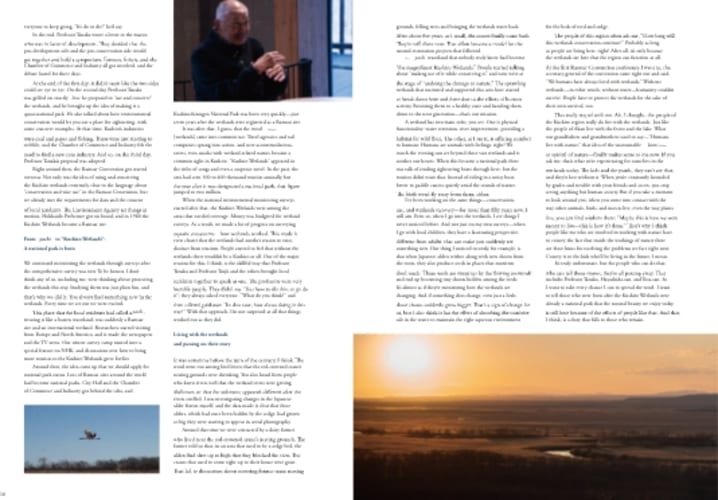
The setting for this booklet is the Kushiro Wetlands. These vast wetlands through which the Kushiro River meanders were designated a national park in 1987. But their story begins twenty thousand years ago, when they were entirely underwater. As sea levels fell over the millennia, the waters receded, leaving ponds and lakes behind and forming what are today the largest wetlands in Japan.
For many years, local residents considered the Kushiro Wetlands unproductive yachi or “wilds.” During Japan’s postwar economic boom, arguments for developing the yachi were floated. But there were also people who recognized the value of the wetlands and proposed an unprecedented alternate path: conservation. The idea of protecting the wetlands as a local treasure spread through word and deed, winning over new adherents and ultimately leading to the area’s registration as a Ramsar site and designation as a national park. This booklet brings together the voices of people who shared that early passion for the wetlands, those who inherited and honored that passion, and those now seeking to uphold it for future generations.
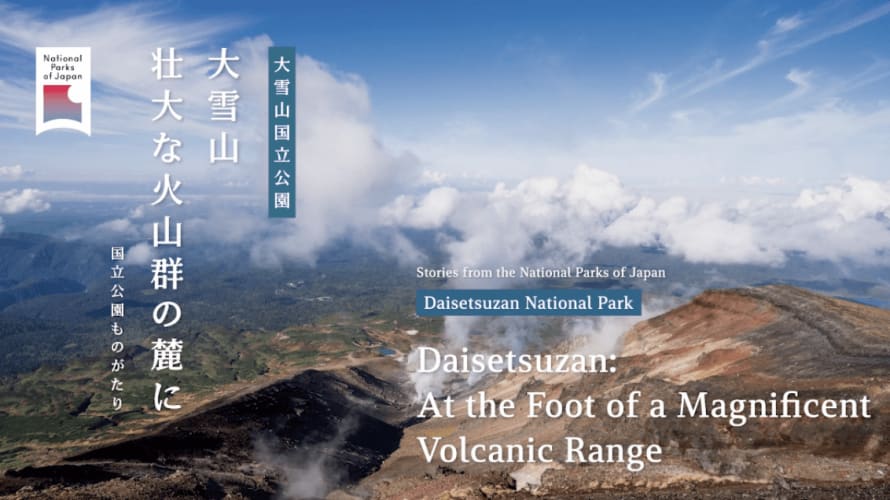
Living with Daisetsuzan National Park
This booklet’s setting is Daisetsuzan National Park, which occupies the center of the island of Hokkaido. Known as “the roof of Hokkaido,” this vast area was designated as the island’s first national park in 1934. The park encompasses the majestic Daisetsuzan volcanic group centered around Mt. Asahidake (Hokkaido’s highest peak) plus other magnificent mountains including Mt. Tomuraushi and the Tokachi and Ishikari Ranges, as well as the headwaters of the Ishikari and Tokachi Rivers.
The Ainu people revered Daisetsuzan as Kamuy Mintara (“the playground of the gods”). Their way of life was predicated on respect for the forests and rivers around them. Believing that divine spirits dwelled within all of nature, they lived with profound gratitude for its gifts—exemplifying what may well be the ideal relationship between humans and the natural world.
In this booklet, we feature stories from people who live in harmony with the volcanoes, forests, and lakes of Daisetsuzan; residents who persevere amid the area’s historical cycles of development and decline; and newcomers whose wanderings eventually led them to settle here.
-
TOHOKU
-
KANTO
-
HOKURIKU SHINETSU
-
TOKAI
-
KANSAI
-
CHUGOKU
-
SHIKOKU
-
KYUSHU
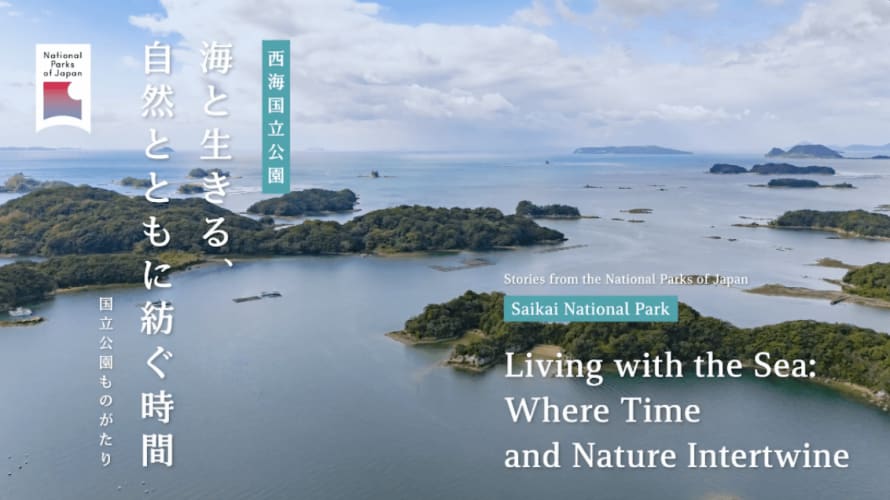
Living with Saikai National Park
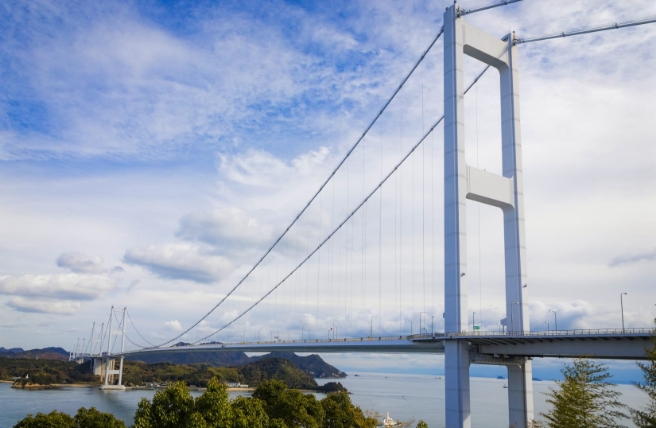
Coastal areas make up the bulk of Saikai National Park, the subject of this booklet. Intricate coastlines, blue waters, and island-dotted seascapes are among the sights that await visitors, along with many species of migratory birds and continental flora. This tangible connection with the Asian continent adds to the park’s appeal.
For the human residents of Saikai National Park, these scenes of natural beauty are a familiar backdrop to lifestyles enriched by the bounty of land and sea. While some who grow up here leave the area in adulthood, many others are captivated by its unique appeal and devote themselves to conserving the natural environment or invigorating their local community. Living with the Sea: Where Time and Nature Intertwine collects the testimonies of people like these whose love for the region is inexhaustible.
Living with Unzen-Amakusa National Park
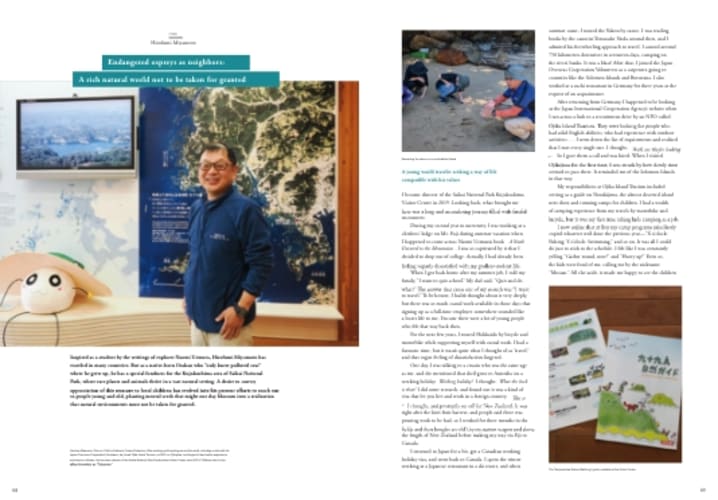
Unzen-Amakusa National Park, featured in this booklet, was among Japan’s first designated national parks. The park evolved in stages—initially encompassing only the Unzen region before expanding to include the Amakusa region twenty-two years later, forming the diverse landscape we see today. Beyond its visual beauty—including the lively Unzen Onsen hot-spring district, dynamic volcanic landscapes, and Amakusa’s stunning marine scenery—the park is also characterized by a unique culture derived from various historical elements: its years as a resort for foreigners, its role as a place for mountain worship and spiritual training, and its connection to Christian history.
The people of Unzen have always felt the earth’s volcanic pulse more intimately than anyone else. Meanwhile, Amakusa residents have built their lives around the contrasting rhythms of sheltered inland waters and the powerful open sea. Many locals take immense pride in their home region and actively work to revitalize their communities while preserving the natural environment for future generations. In this booklet, Living with a Volcano, Thriving on an Island-studded Sea, we share the voices of these passionate stewards.
-
OKINAWA